Illuminating Interiors: The Role of Lighting in Showcasing Paint Colors May 26, 2026
Lighting affects our perception of color due to its inherent properties—hue, saturation, and brightness—which change under different lighting conditions. Natural light is a strong influencer in any room. North-facing rooms typically have a cooler, bluish cast, while southern exposures tend to be brighter with a warm glow. For your vibrant yellow accent wall, this means that a north-facing space may mute the color, making it appear slightly subtle, whereas a south-facing room could intensify its warmth.
Artificial lighting further complicates this dynamic. Incandescent bulbs emit a warm yellow light that may enhance warmer colors but can dull cooler tones. LED lights, available in various warmths, offer more flexibility. To create a cohesive look, it's crucial to consider the color temperature of the light fixtures you use. A cooler LED bulb can bring life to cooler paint hues, making them appear crisper and more defined. On the other hand, a warm-toned bulb can add depth and relaxation to a room painted in warmer shades.
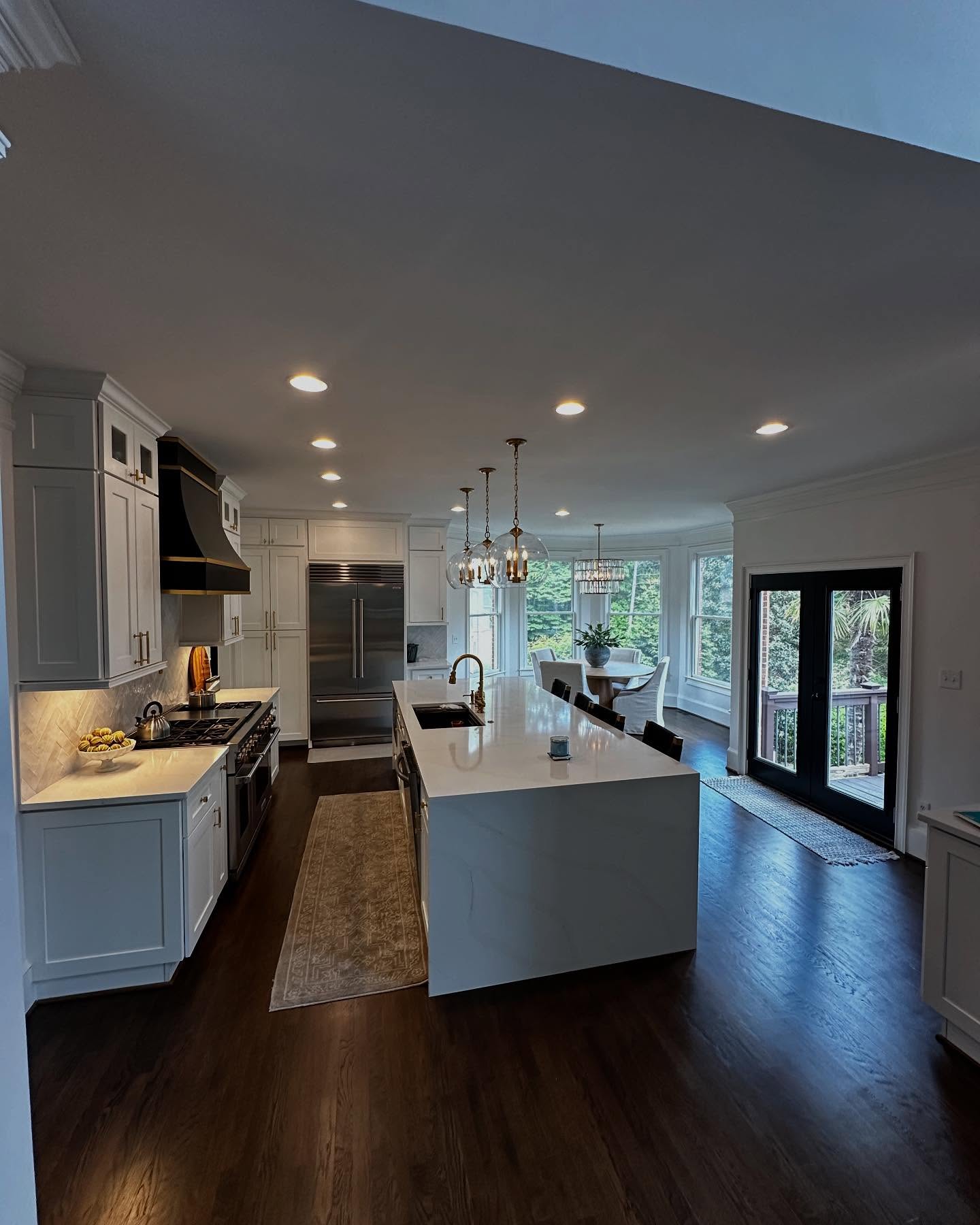
A key factor in successful color display is the type of lighting layer implemented. Using ambient lighting sets the general tone of the room, while task lighting adds focus to particular areas. Accentuating a feature wall with spotlighting can highlight the textural elements while floor or table lamps provide a cozy ambience, enriching the paint colors and the overall atmosphere of the room. Balancing these layers will ensure that a room doesn't look over- or under-lit, both of which can distort color perception.
Selecting the right color and lighting isn't just about aesthetics; it's also about the feel you want to evoke in the space. For example, if you’ve painted your bedroom in calming blues yet find it feels stark, adjusting the light to a softer tone could infuse the space with the tranquility you intended. Similarly, in a home office painted with energizing colors like light green, ensuring optimal lighting will help maintain focus and productivity without overwhelming the senses.
When planning a painting project, it's important to view paint samples in various lighting conditions before finalizing any decision. In doing so, you can observe firsthand how colors morph from morning to night under different lighting setups. Understanding these transformations can guide you in choosing colors that will stay true to your vision, no matter the time of day.
In wrapping up, it's clear that lighting is not just a functional requirement of home design but a partner in showcasing colors to their fullest extent. By carefully considering the type and placement of lighting, you can ensure that your walls exude the emotions and aesthetics you desire. And with guidance from experts like Concept Painting LLC, you can capitalize on lighting’s potential to spotlight the beauty of your home’s paint colors, creating an environment that enchants and comforts in equal measure.
/filters:no_upscale()/filters:format(webp)/media/385328cf-a4d5-4d61-bc9a-52650b6f86ae.jpeg)