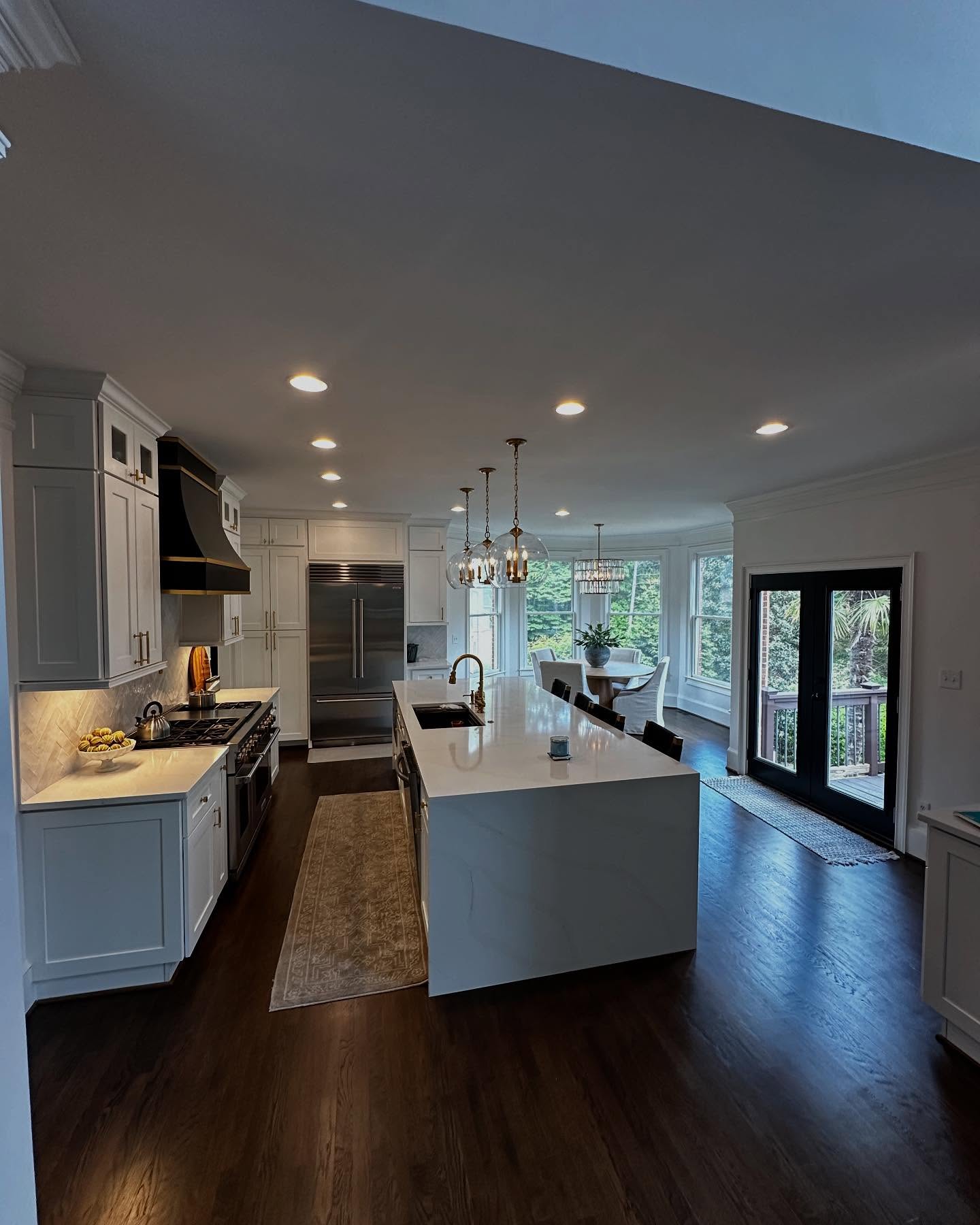
The Science of Paint: Understanding Durability and Finish in Modern Homes Feb 17, 2026
At its core, paint is composed of four primary components: pigments, binders, solvents, and additives. Each plays a distinct role in the paint's performance and finish. Pigments provide color and opacity, binders are responsible for adhesion and durability, solvents help in application by maintaining the paint's liquid state, and additives offer specific properties such as mildew resistance or enhanced drying time. Together, these elements determine the overall effectiveness and longevity of the paint.
The durability of paint is of paramount importance, especially in high-traffic areas of a home. Durability is primarily influenced by the type of binder used. High-quality binders, such as acrylics, provide superior adhesion and flexibility, making them ideal for surfaces subject to expansion and contraction due to changing temperatures. Acrylic paints are known for their excellent resistance to cracking, flaking, and blistering, making them a preferred choice for both interior and exterior applications.
Equally important as durability is the paint's finish, which affects both aesthetics and functionality. Paint finishes range from high gloss to matte, with satin, eggshell, and semi-gloss between them. Glossy finishes are reflective and easy to clean, suitable for areas like kitchens and bathrooms where moisture and stains are common. However, they can highlight surface imperfections. On the other hand, matte finishes are better at concealing flaws and are perfect for spaces like bedrooms and living rooms where a softer look is desired.
The choice of paint finish should also take into account the amount of natural light a room receives. Glossy finishes can enhance natural light, creating a vibrant, lively environment, while matte finishes can absorb light for a more subdued atmosphere. For rooms that receive abundant sunlight, using a semi-gloss or eggshell finish might strike an ideal balance, offering a soft reflection that brightens the space without overwhelming it.
Understanding the science of paint also involves recognizing the role of environmental factors. Temperature, humidity, and exposure to sunlight can all impact a paint's performance. High humidity levels during application can delay drying times and cause peeling or blistering. Direct sunlight exposure may fade colors over time. At Concept Painting LLC, professionals consider these variables when choosing and applying paint, ensuring the final result is both beautiful and resilient.
In selecting paint, quality matters significantly. Investing in high-grade paint may come with a higher upfront cost, but it often results in lower maintenance and longer life, ultimately saving money. High-quality paint often provides better coverage, requiring fewer coats, and contributes to a more even, uniform finish.
In conclusion, understanding the science behind paint’s durability and finish can greatly influence the choice of paint for modern homes. By considering factors like binder quality, finish type, and environmental conditions, homeowners can make informed decisions that enhance their living spaces. Concept Painting LLC is committed to providing expert advice and services that align with the unique needs and preferences of each client, ensuring satisfaction with every brushstroke.
/filters:no_upscale()/filters:format(webp)/media/385328cf-a4d5-4d61-bc9a-52650b6f86ae.jpeg)